Back to Blog
Tips10 min read
10 Things We Wish Every Couple Knew Before Planning a Maui Wedding
Married on Maui
September 12, 2024

Planning a wedding on Maui is not the same as planning one on the mainland. The logistics are different, the vendor landscape is different, and the things that catch couples off guard are almost always the same. After coordinating hundreds of island weddings, we put together the ten things we wish every couple knew before they started making calls.
1. Book Your Planner Before Your Venue
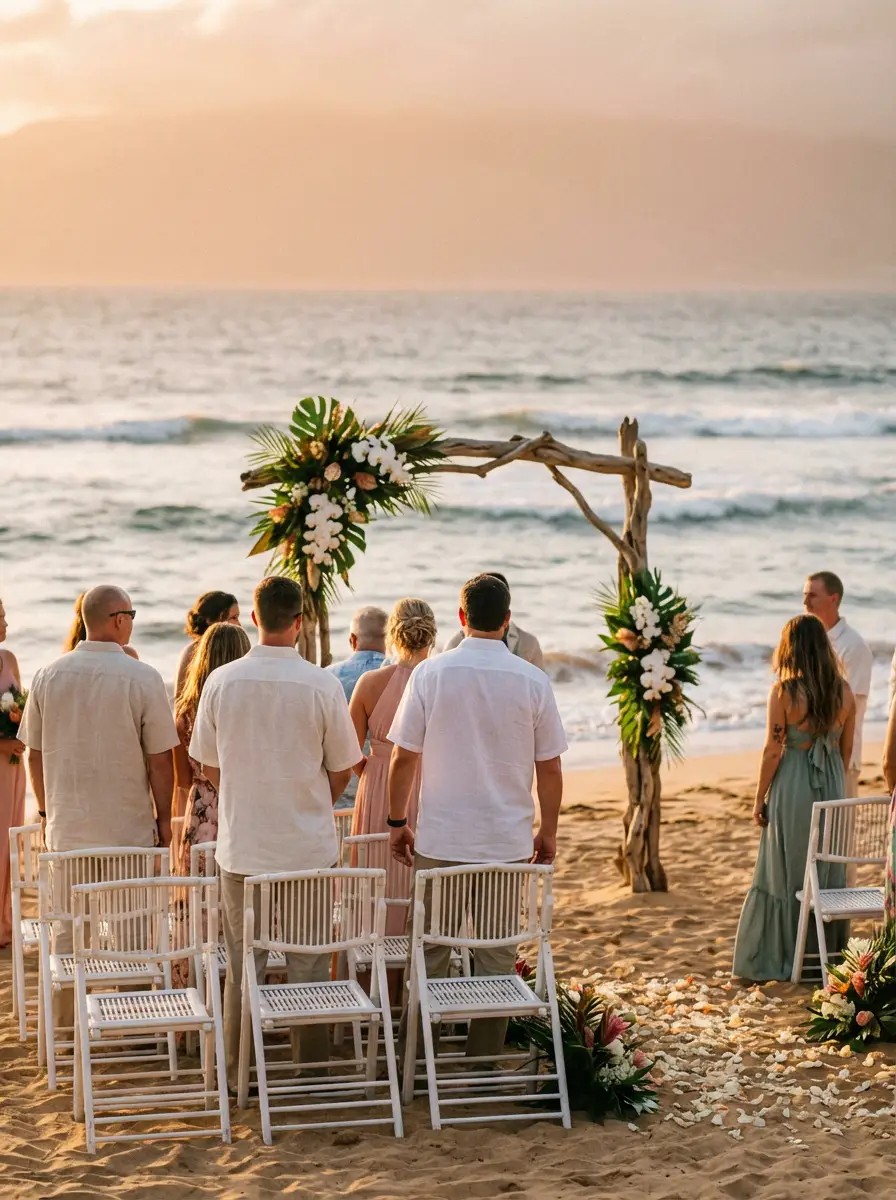
This is counterintuitive, but it is the single most important piece of advice we give. A Maui-based planner knows which venues are realistic for your guest count and budget, which have solid rain backup options, and which ones have quirks that look fine in photos but cause headaches on the actual day.
A good planner also has relationships with vendors. That means better availability, faster responses, and sometimes pricing you would not get on your own. If you book a venue first and a planner second, you may end up with a beautiful space that does not work for what you actually need.
2. Maui Has Microclimates — Your Venue Location Matters More Than Your Date
Most couples obsess over picking the "right month" and barely think about which coast they are on. But Maui's weather varies dramatically by location:
- South Maui (Wailea, Makena): driest part of the island, 10 to 15 inches of rain per year. Your safest bet for outdoor ceremonies.
- West Maui (Ka'anapali, Kapalua): 15 to 25 inches per year. Still solid for most of the year.
- North Shore and Upcountry (Haiku, Pa'ia): lush and green because it rains more. Beautiful for photos, but have an indoor backup.
You can have a sunny ceremony in Wailea while it pours in Hana, 40 miles away. Pick your venue based on weather patterns, not just aesthetics.
3. Guest Count Is Your Biggest Budget Lever
Every person you add to your wedding costs $150 to $300 in food, drinks, rentals, and favors. Cutting 10 guests saves $1,500 to $3,000 — more than you would save by downgrading your photographer or skipping the videographer.
Destination weddings have a built-in advantage here: your guest list naturally shrinks. Only the people who really want to be there make the trip. Lean into that instead of fighting it.
4. Your Guests Need Rental Cars
This catches every mainland visitor off guard: Maui does not have reliable Uber or Lyft outside of the airport area. Your guests need rental cars, and Maui has a genuine rental car shortage during peak season.
Tell your guests to book 2 to 3 months ahead. Expect $80 to $150 per day for a standard SUV. For the wedding day itself, arrange shuttle service between hotels and the venue so nobody is driving after cocktails.
5. The Marriage License Is Easier Than You Think
Hawaii has some of the simplest marriage requirements in the country:
- No residency requirement
- No blood test
- No waiting period
- Cost: $65
- Valid for 30 days
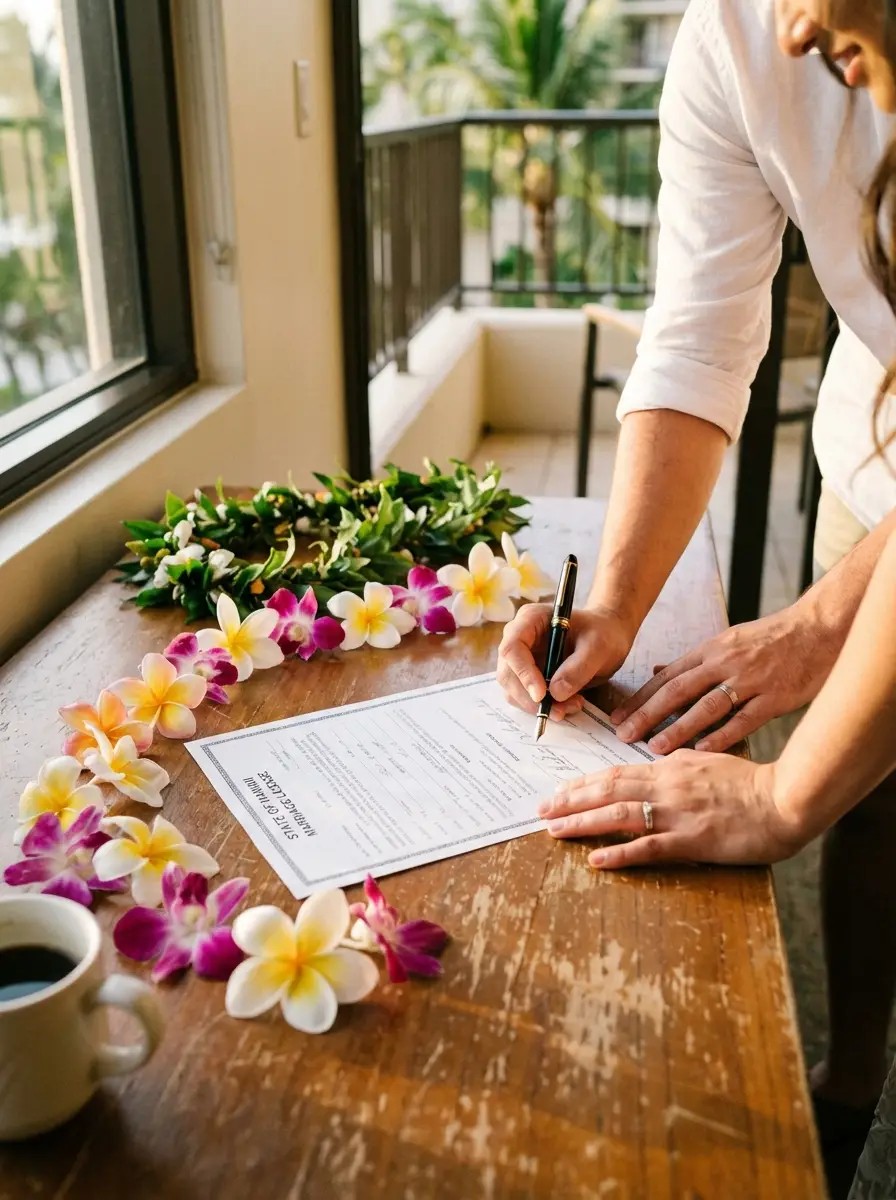
Apply online at marriage.ehawaii.gov before you travel, then complete a quick in-person appointment when you arrive. Both of you need valid photo ID. The whole thing takes about 10 minutes. We connect you with a licensed agent who comes to your hotel so you do not have to drive to the government office in Wailuku.
6. Trade Winds Are Real — Plan for Them
Most days on Maui, northeast trade winds blow 10 to 20 mph. They keep temperatures comfortable, but they also mean:
- Loose hair, veils, and lightweight table linens will move
- Candles need hurricane lanterns
- Your ceremony backdrop should face the right direction (your photographer and planner will know)
- A microphone for your officiant is not optional if the wind is up
None of this is a problem — it just needs to be planned for. The breeze is actually part of what makes outdoor Maui ceremonies feel so alive.
7. Sunset Time Changes by 90 Minutes Across the Year
In June, the sun sets around 7:15pm. In December, it sets around 5:45pm. That is a significant difference for your ceremony timeline, cocktail hour flow, and photography schedule.
If you are planning a winter wedding, your ceremony needs to start earlier to catch golden hour light. Summer gives you more flexibility. Your photographer will have strong opinions about timing — listen to them.
8. Hawaiian Cultural Traditions Are Not Decorative
The lei exchange, the blowing of the pu (conch shell), the honi (sharing breath) — these are meaningful Hawaiian practices with real cultural weight. Including them in your ceremony can be beautiful and moving, but they should be done respectfully and with understanding, not just as aesthetic touches.
Work with a Hawaiian officiant or cultural practitioner who can explain each tradition, guide you through it properly, and help your guests understand the significance. We can connect you with several we trust.
If you are going to include Hawaiian traditions, take the time to learn what they mean. Your guests will feel the difference between a tradition done with understanding and one done for show.
9. Build a Weather Backup Plan You Actually Like
Rain on Maui is usually brief — 10 to 20 minute tropical showers followed by sun and often a rainbow. But "usually" is not "always," and you need a Plan B you are genuinely happy with, not just one that exists on paper.
Options we use:
- Tent or canopy: $1,500 to $3,000 rental, keeps rain off while preserving the outdoor feel
- Indoor-outdoor venue: spaces like Haiku Mill and many resort venues have covered areas that are nearly as beautiful as the open-air option
- Timing shift: sometimes we move a ceremony 30 minutes earlier or later based on the afternoon shower pattern
The worst version of Plan B is scrambling. The best version is one you planned weeks ago and barely notice switching to.
10. Hire Local Vendors Who Know the Island
A mainland photographer may be talented, but they do not know that the light at Makena Cove changes completely between 4pm and 5pm in November. A local florist knows which tropical blooms are in season and which ones wilt in the heat. A Maui-based caterer knows how to handle outdoor food service in trade wind conditions.
Local vendors also have relationships with each other. When your photographer, florist, and DJ have worked together before, the day runs smoother. There is less explaining, less coordinating, and fewer surprises.
We work exclusively with Maui-based vendors we have vetted through years of real events. Every vendor we recommend has earned that recommendation by performing under real conditions, not just having a nice Instagram.
The Bottom Line
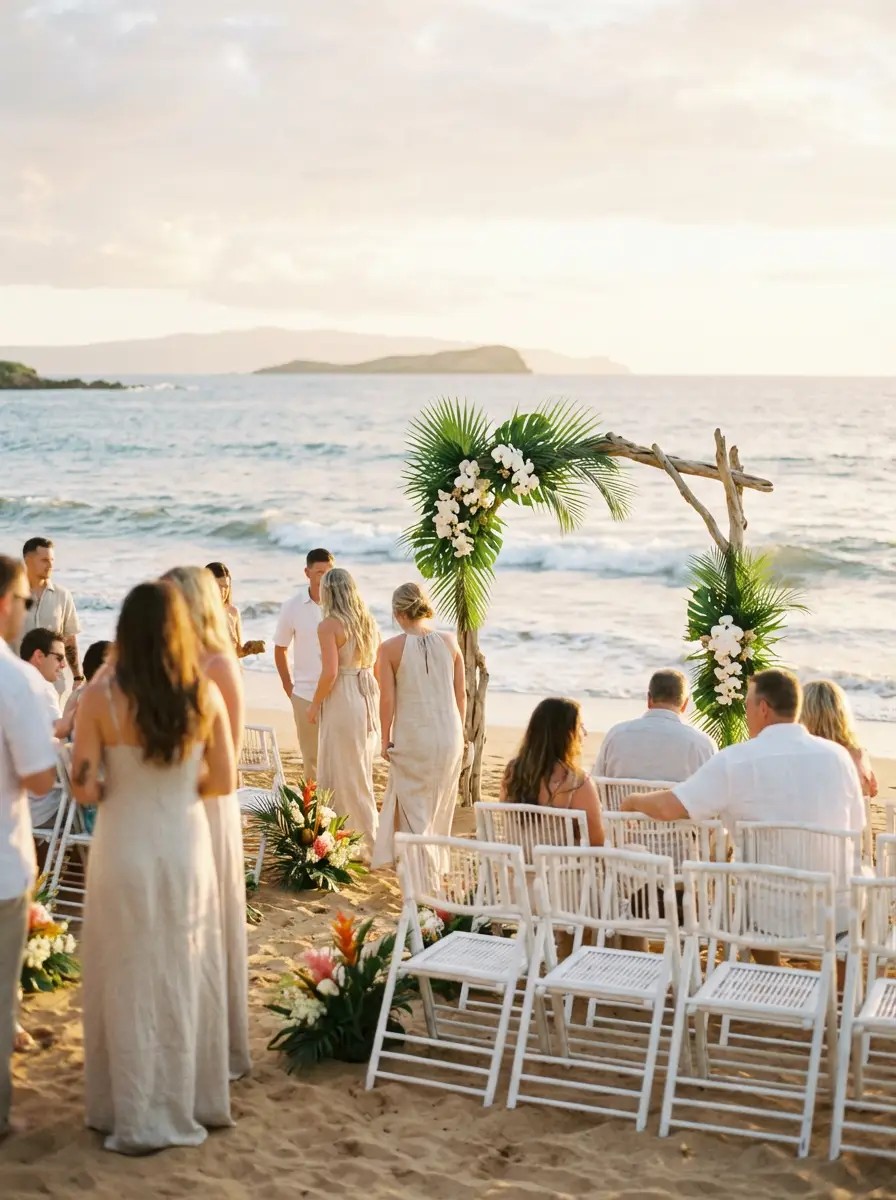
A Maui destination wedding is absolutely worth it — if you go in with your eyes open. The couples who have the best experience are the ones who hire local, plan early, and let their planner handle the logistics while they focus on each other.
Book your free consultation with Married on Maui and let us walk you through the rest.
maui wedding tipsdestination wedding planning tipsmaui wedding advicewedding planning guideMaui wedding mistakes